

.png?h=595&iar=0&w=2781&hash=5FD5E69473BCC22199FBFA2FB71B6033)
-
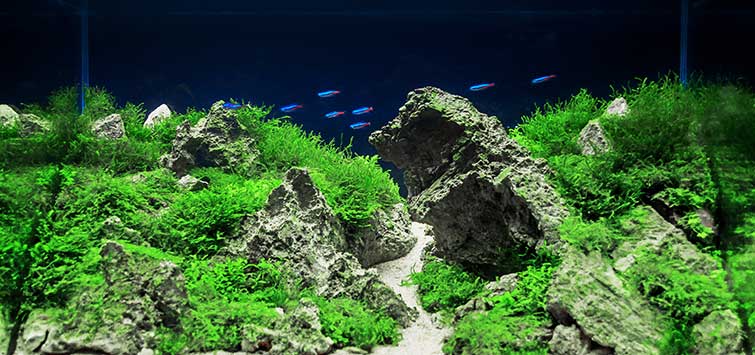
An Iwagumi Layout with Radially Arranged Stones
Many different stones may be used in Iwagumi layouts. Master aquascaper Takashi Amano discusses a popular kind and describes its use in the planted aquarium.
-

Blyxa aubertii
Blyxa aubertii is a species that has been around for many years, but has never become truly well-established in the hobby. Learn about its care here.
-

Blyxa japonica
Blyxa japonica is a beautiful species that has gained widespread popularity in the hobby over the past years. Learn about its care and natural distribution here.
-

Bolbitis heudelotii
The African water fern has gained widespread popularity due to its uniquely textured foliage and growth form. This profile covers its background and aquarium requirements.
-

Crinum calamistratum
Crinum calamistratum boasts a unique growth pattern, making the plant a nice addition to any freshwater aquarium.
-
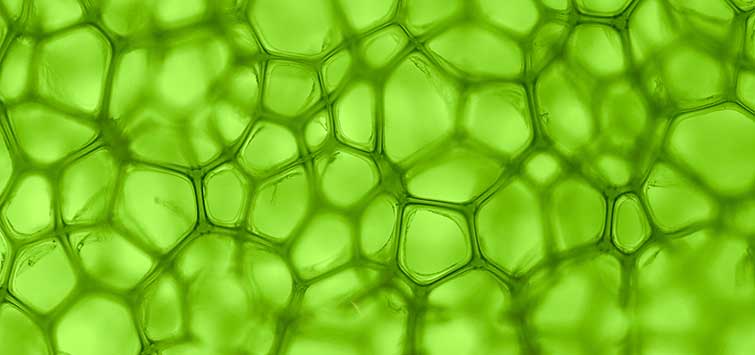
The Planted Tank: Botany: An Introduction to Plant Biology, Part 2: Anatomy of a Plant
Botany, the study of plants, helps us describe aquatic species. This article looks into the ways in which we can use botany to identify plants.
-

Bring Your Pond to Life with Tropical Lilies
The tropical lily can bring pop to any outdoor pond. These species are sure to grow on you!
-
The Planted Tank: Botany: An Introduction to Plant Biology, Part 3, How Plants Work
Botany helps us understand how plants work, which in turn provides insights for growing a beautiful planted tank. This piece explains some of the basic principles of photosynthesis.
-

Cryptocoryne crispatula var. "balansae"
From southern Thailand, Cryptocoryne crispatula is found in fast-flowing streams that are high in calcium content due to limestone in the surrounding soils.
